CA License #0L75450  ·  Independent brokerage, 20+ years, quoting the CEA and private carriers CA License #0L75450 quote@cheapearthquakeinsurance.com
Residential earthquake insurance

Earthquake insurance for California homes, condos and rentals.

Your homeowners policy pays for the fire after a quake. It pays nothing for the shaking. A residential earthquake policy covers the structure, what is inside it, and somewhere to live while it is rebuilt. We quote the California Earthquake Authority and more than seven private carriers on one submission, so you can see the deductibles and premiums next to each other.

Quotes usually within 24 hours of a complete submission. No obligation.

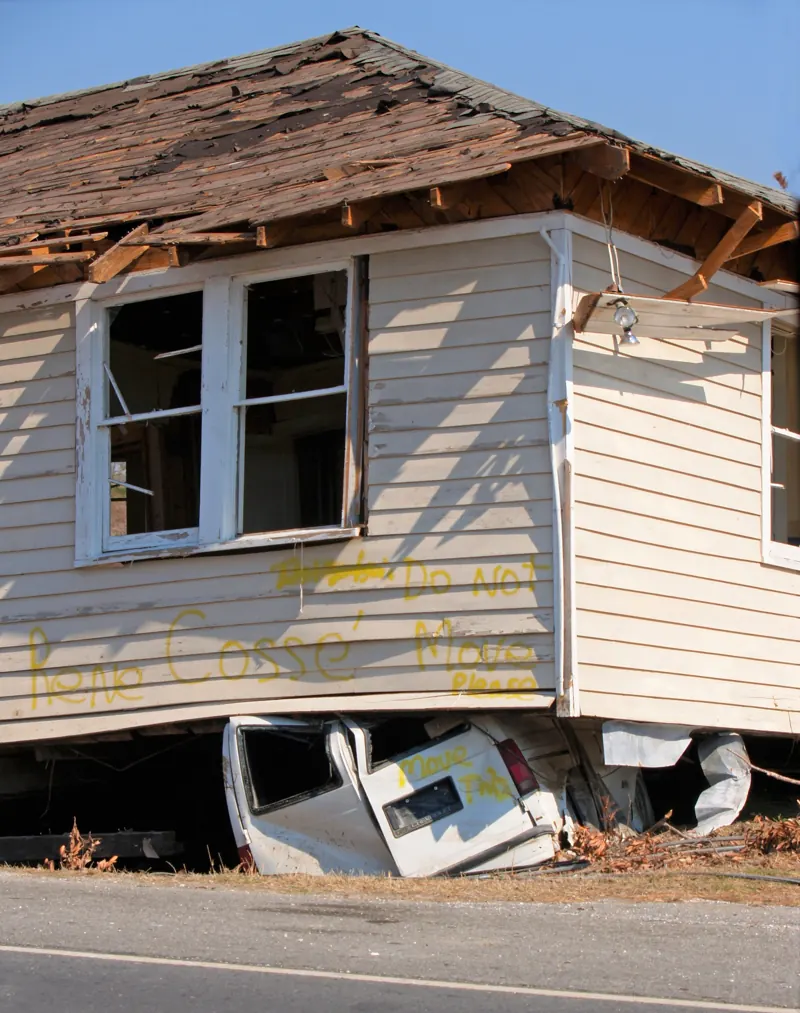
A wood-frame house knocked off its foundation by an earthquake, resting on a crushed van
A wood-frame house shifted off its foundation. Every standard homeowners policy in California excludes this repair.
7+ carriers that specialize in residential earthquakeDeductibles from 2.5% to 25%Condos with loss-assessment coverageReplacement costs into the millions
Who this is for

Three kinds of owner, three different policies.

The right policy depends on what you own and what your other insurance already does. We write all three.

Homeowners

Single-family and multifamily dwellings, from modest homes to replacement costs in the millions. The policy covers the structure, attached structures, contents and loss of use.

  • Dwelling limits above what the CEA offers, where you need them
  • Deductible choices from 2.5% to 25%
  • Retrofit credits for braced and bolted homes
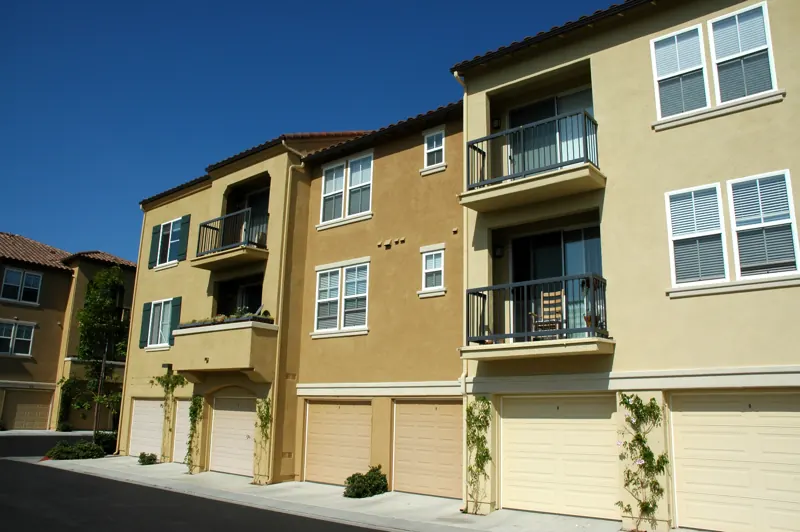
Three-storey stucco condominium building in Southern California with garages tucked under the units

Condo owners

Your HOA's master policy almost never carries earthquake coverage. After a quake the association can bill every unit owner a share of the rebuild. That is a loss assessment, and it is the reason condo earthquake insurance exists.

  • Loss-assessment coverage for the building
  • Interior improvements, contents and loss of use for the unit
  • Usually one of the least expensive policies we write

Landlords and renters

A landlord's policy covers the building and lost rent while it is repaired. A renter's policy covers belongings and somewhere to stay, and it is inexpensive.

  • Rental dwelling earthquake coverage with loss of rents
  • Renters' contents and loss of use
  • Multifamily buildings quoted on the commercial side
What a policy pays for

Covered, excluded, and the items that depend on the carrier.

Earthquake policies vary more than homeowners policies do. The third column is where quoting more than one carrier earns its keep.

Covered

  • The house and attached structures, such as an attached garage
  • Contents: furniture, clothes, electronics and most other belongings
  • Loss of use: living expenses while the home is repaired, usually up to a cap
  • Loss assessment for condo owners, when the policy includes it

Not covered

  • Flood, even a flood caused by an earthquake. That is a separate flood policy. Our sister agency at californiafloodinsurance.com writes it.
  • Fire following an earthquake. Your homeowners policy pays for that.
  • Land, landscaping and fences
  • Vehicles. Comprehensive auto coverage handles those.

Depends on the carrier

  • Pools: excluded by the CEA, covered by some private carriers
  • Masonry veneer: available as an add-on from some carriers
  • Detached structures: barns, sheds and detached garages are covered by some policies and not others
  • Sinkholes: rarely standard, sometimes an add-on
CEA vs. private carriers

We quote the CEA policy your home insurer would offer, and everything it competes with.

Most California earthquake policies are California Earthquake Authority policies, and we write them. It is a sound option and it is on every comparison we send. What most people never see is the second column: private carriers that compete on the things the CEA is rigid about, deductibles as low as 2.5%, dwelling limits that are not tied to your homeowners limit, broader contents coverage, and items like pools and masonry that the CEA excludes.

Which one wins depends on your home, your ZIP code, and how much of a loss you can absorb yourself. You do not have to go anywhere else to find out. We put both on the same page. Read the full comparison.

Deductible math, in one line. On a $600,000 home with a 10% deductible and $250,000 of damage, you absorb $60,000 and the policy pays $190,000. Drop the deductible to 5% with a private carrier and your share falls to $30,000. Try your own numbers.

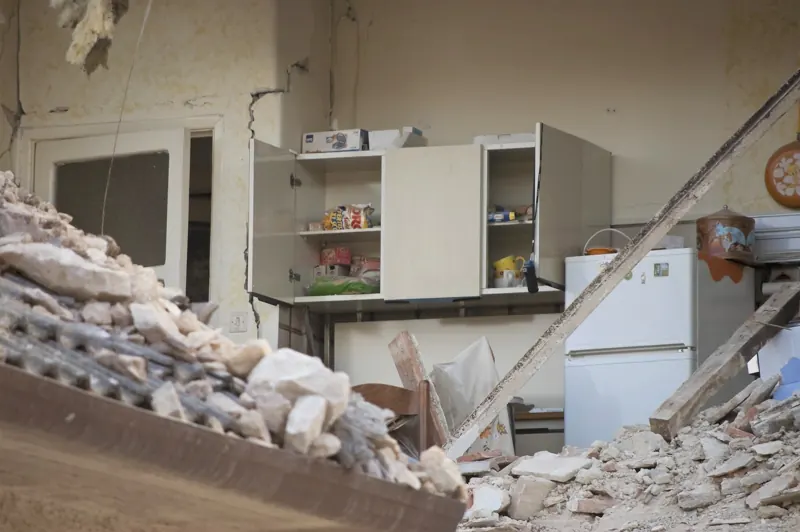
A kitchen with a collapsed wall and a cupboard hanging open after an earthquake
Contents and loss of use are where CEA and private policies differ most. Cabinets, appliances and the weeks you cannot cook in this room are all separate line items.
Two things that change your price

Retrofits lower it. Waiting for the next quake removes the option.

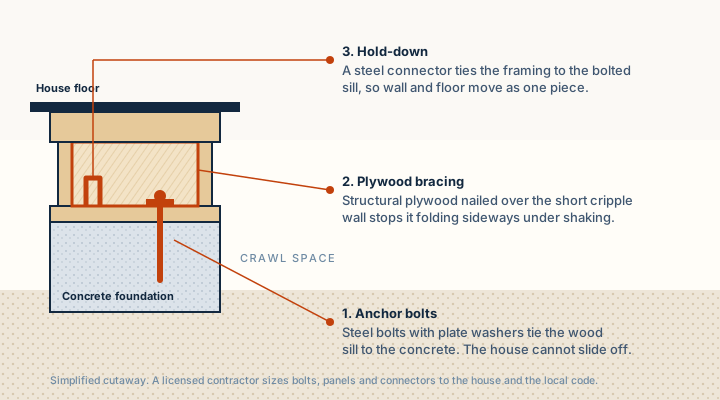
Cutaway diagram of a brace-and-bolt retrofit: anchor bolts through the sill plate into the foundation, plywood bracing on the cripple wall, and a steel hold-down connector

Brace-and-bolt retrofits

Older wood-frame homes with a crawl space fail one way in a quake: the cripple wall between the foundation and the floor gives out and the house slides off its footing, like the one in the photo at the top of this page. The diagram shows the three parts of the fix. Bolting the sill plate to the foundation and bracing the cripple wall prevents it. Retrofitted homes qualify for premium credits with the CEA and with several private carriers, and California's Earthquake Brace + Bolt program offers grants toward the work in eligible ZIP codes.

Confirm current grant amounts and eligible ZIP codes with the program before quoting them to a client.

The moratorium

After a significant earthquake, carriers stop writing new earthquake policies, typically for 15 to 30 days depending on the carrier. Aftershocks in that window are uninsured. If you own a home with equity in it, the time to put coverage in place is before the event. A quote takes minutes and costs nothing.

Start a residential quote
Residential questions

Asked by homeowners this month.

The full FAQ covers cost, claims and what is excluded.

Does my HOA's master policy cover earthquake damage to my condo?

Usually not. Most HOA master policies carry no earthquake coverage, so after a quake the association can bill each unit owner a share of the rebuild as a loss assessment. A condo earthquake policy with loss-assessment coverage pays that bill. It is one of the most under-purchased, highest-value policies we write.

Can I buy earthquake insurance right after an earthquake?

Usually not immediately. Carriers impose a moratorium on new earthquake policies after a significant quake, often around 15 to 30 days. Coverage has to be in place before the event.

Does earthquake insurance cover my pool or masonry?

The CEA excludes pools. Several private carriers we represent will cover them, and some offer masonry veneer as an add-on. This is one of the reasons we quote private carriers alongside the CEA.

See the CEA and private quotes side by side.

Address, year built, construction and dwelling value. Five minutes on the form, quotes usually inside 24 hours.

CallGet a Quote